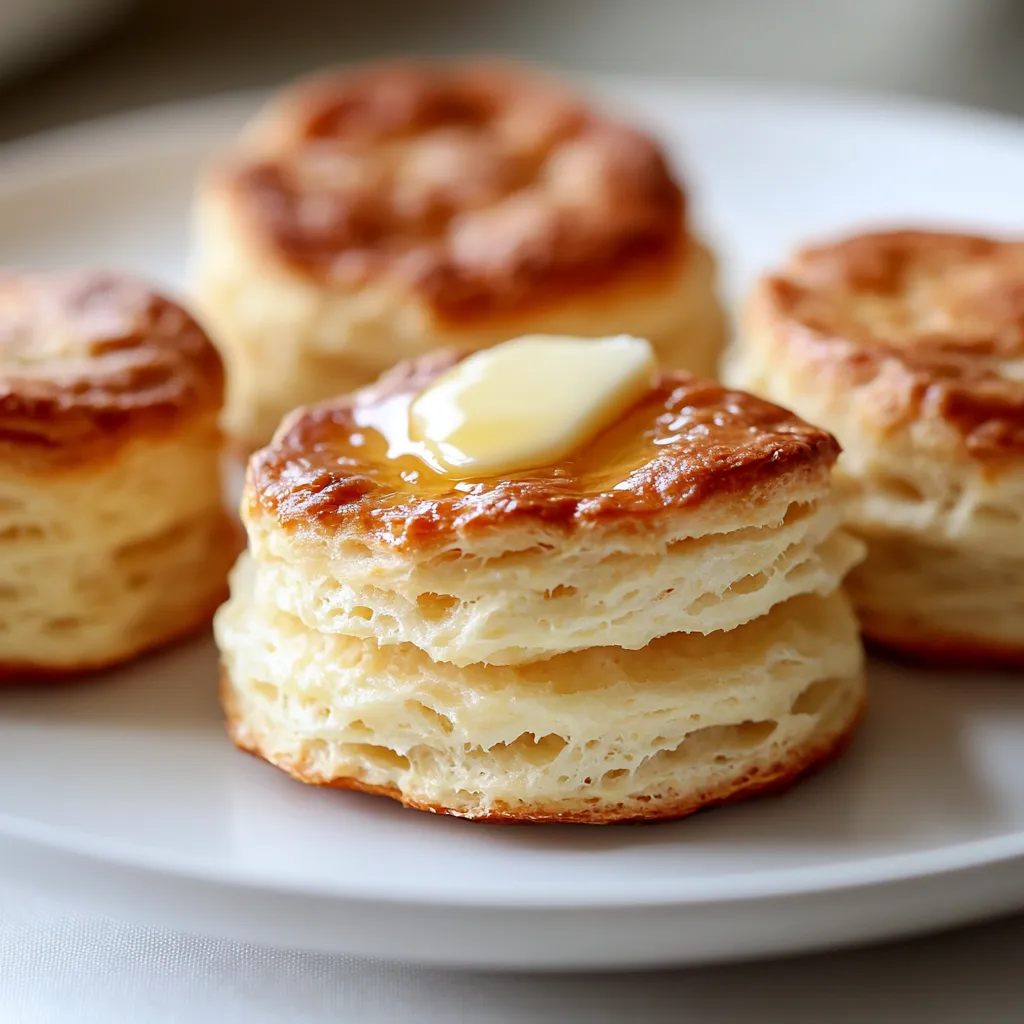
Southern Fluffy Biscuits: Mastering Classic Recipes & Key Ingredients
There are few culinary delights as comforting and universally loved as a batch of warm, fluffy Southern biscuits. These golden-brown wonders, with their tender interiors and subtly crisp crusts, evoke images of hearty breakfasts, family gatherings, and true Southern hospitality. More than just a simple bread, a perfectly executed biscuits recipe is a testament to time-honored traditions and a careful understanding of a few key ingredients and techniques. If you’ve ever dreamed of baking biscuits that are tall, tender, and melt-in-your-mouth delicious, you’ve come to the right place. This guide will walk you through the secrets to mastering this iconic Southern staple, ensuring your homemade creations are nothing short of spectacular.
The Heart of the South: What Makes Southern Biscuits Unique?
What sets a Southern biscuit apart from its Northern or European counterparts? It’s more than just a matter of geography; it’s a matter of philosophy and tradition. Southern biscuits are typically known for their incredible height, delicate flakiness, and an almost ethereal tenderness that makes them the perfect canvas for everything from rich sausage gravy to sweet fruit preserves. Unlike drop biscuits, which are more freeform, classic Southern biscuits are usually rolled and cut, aiming for uniform layers that separate easily when pulled apart. They are a versatile staple, gracing breakfast tables, acting as sandwich carriers, and even accompanying supper dishes. The goal is always that irresistible combination of light texture and rich, buttery flavor – a comfort food that truly nourishes the soul.
Unveiling the Essential Ingredients for Your Perfect Biscuits Recipe
The magic of a great biscuit lies not in a long list of exotic ingredients, but in the quality and handling of a few core components. Understanding each one's role is crucial for perfecting your biscuits recipe.
Flour Power: Choosing the Right Foundation
The type of flour you choose can significantly impact the texture of your biscuits. While standard all-purpose flour works perfectly well, many Southern bakers swear by low-protein, soft white wheat flours. Brands like White Lily, Martha White, or Bob’s Red Mill Fine Pastry Flour are excellent choices. Why? Their lower protein content naturally inhibits gluten formation. Less gluten means a more tender, delicate crumb, which is exactly what you want in a fluffy biscuit. If you opt for self-rising flour, a common pantry item in the South, remember it already contains leavening and salt, so you’ll need to adjust or omit the added baking powder and salt in your recipe.
The Magic of Cold Butter: Your Flakiness Secret Weapon
Perhaps the most critical ingredient for achieving that coveted flaky texture is very cold butter. This isn't just a suggestion; it's a fundamental rule of biscuit making, much like in pie crusts. As the cold butter melts in the hot oven, it releases steam, creating tiny pockets and layers within the dough. This process is what gives biscuits their incredible rise and distinct, flaky structure. For an even richer flavor and superior tenderness, consider European-style salted butter, such as Kerrygold or Plugra, which often have a higher fat content. If using salted butter, you might slightly reduce the amount of added salt in your recipe to balance the flavors. Regardless of the brand, remember: the colder the butter, the flakier your biscuits will be. For a deeper dive into this essential technique, check out our guide on Unlock Fluffy Biscuits: Why Cold Butter is Your Baking Secret.
Leavening Agents: The Rise to Fluffy Perfection
Baking powder and baking soda are the unsung heroes responsible for your biscuits' impressive height and fluffy texture. A generous amount of baking powder—often around 5 teaspoons for a standard recipe—is key to achieving that signature tall, tender rise. For the best results and to avoid any metallic aftertaste, always opt for aluminum-free baking powder, such as Rumford or Bob's Red Mill. Baking soda, on the other hand, contributes to browning and works in tandem with acidic ingredients like buttermilk, creating an additional lift and enhancing the biscuit's tenderness.
Milk or Buttermilk: The Liquid Touch
Your choice of liquid can subtly alter the flavor and texture of your biscuits. While fresh milk works wonderfully, buttermilk is a favorite among many for its slightly tangy flavor and its ability to react with baking soda, producing an even lighter and more tender crumb. The acidity in buttermilk breaks down gluten, further contributing to that desired soft texture. Whichever you choose, ensure it’s also cold, as this helps maintain the overall low temperature of your dough.
The Supporting Cast: Sugar and Salt
Don't overlook the importance of these seemingly minor players. A small amount of sugar (typically just a tablespoon) not only adds a touch of subtle sweetness but also aids in browning, giving your biscuits that inviting golden hue. Salt, of course, is crucial for balancing the flavors, enhancing the richness of the butter, and preventing the biscuits from tasting bland.
Mastering the Technique: Tips for Your Best Biscuits Recipe Yet
Even with the right ingredients, mastering the technique is what truly elevates a good biscuit to a great one. Here are the secrets to achieving unbelievably tasty, tall, and fluffy results every time.
Keeping it Cold: Temperature is Key
Beyond using cold butter, the general rule of keeping everything cold extends to your other ingredients and even your tools. Cold milk or buttermilk helps maintain the butter's firmness. If your kitchen is particularly warm, or if you have warm hands, consider chilling your flour and even your mixing bowl for 10-15 minutes before starting. When cutting in the butter, using a pastry blender or a food processor can be more efficient than hands, as it prevents your body heat from melting the butter prematurely. If the dough feels warm at any point, don't hesitate to pop it into the fridge for a quick chill.
Gentle Handling: The Less You Touch, the Better
This is perhaps the most crucial tip for a tender biscuit. Overworking the dough develops gluten, which, while desirable in breads, leads to tough, chewy biscuits. Instead, mix just until the ingredients are combined and the dough barely comes together. When kneading, aim for only a few light folds – enough to create layers, but not enough to toughen the dough. Think of it as gently coaxing the ingredients together, rather than aggressively mixing them.
The Perfect Cut: Tall and Even
Once your dough is ready, pat or roll it to an even thickness (typically around ½ to ¾ inch). When cutting, use a sharp biscuit cutter and press straight down without twisting. Twisting can seal the edges of the biscuit, preventing it from rising to its full potential and hindering those beautiful flaky layers. For a consistent rise, cut your biscuits close together to minimize scraps. If you must re-roll dough scraps, do so gently and only once, as each re-roll will make the resulting biscuits tougher.
Achieving that Golden Hue: Baking to Perfection
Preheat your oven to the specified temperature (often around 425°F or 220°C) and place your biscuits on an ungreased baking sheet. Baking at a high temperature ensures a quick rise and a beautiful golden-brown crust. Keep an eye on them; biscuits typically bake quickly, often in 12-15 minutes, depending on their size and your oven. They should be deeply golden on top and bottom and feel light to the touch.
Classic Biscuits Recipes: A Quick Comparison and Adaptation
While many Southern biscuit recipes share similar foundations, variations exist. Some, like the "Inspired Taste" method, might call for a generous amount of baking powder to guarantee an extra fluffy rise, while others, like Paula Deen’s classic, stick to a more traditional ratio. Both, however, emphasize the core principles of cold butter and gentle handling. The beauty is that once you understand these fundamentals, you can adapt any biscuits recipe to your liking.
Here’s a general overview of the steps that lead to perfect Southern biscuits, synthesizing the best practices from classic recipes:
- Preheat your oven and prepare a baking sheet, ideally lining it with parchment paper for easy cleanup.
- In a large bowl, whisk together your dry ingredients: flour (soft white wheat if available), a touch of sugar, baking powder (aluminum-free), and salt.
- Cut in very cold, cubed butter. Use a pastry blender, your fingertips (working quickly), or a food processor to mix until the butter resembles pea-sized crumbles or coarse cornmeal. The key is to keep those butter pieces distinct.
- Make a well in the center of the dry mixture and slowly pour in cold milk or buttermilk. Mix with a fork or your hands just until the dough comes together. Avoid overmixing; it should still look a bit shaggy.
- Turn the dough out onto a lightly floured surface. Gently fold and press it a few times (3-4 folds are usually enough) to create layers. Pat or roll the dough to about a ½ to ¾-inch thickness.
- Using a sharp biscuit cutter, press straight down firmly to cut out rounds. Do not twist! Place the cut biscuits on your prepared baking sheet, allowing them to touch slightly for a softer side, or spacing them apart for crisper edges.
- Bake in the preheated oven for 12-15 minutes, or until golden brown and beautifully risen.
For more detailed guidance and a specific formula, our Easy Fluffy Biscuits: The Secret to Tall, Tender Homemade Perfection article provides a fantastic starting point.
Conclusion
Baking Southern fluffy biscuits is an incredibly rewarding experience that connects you with a rich culinary heritage. By understanding the critical role of cold ingredients, especially butter, and mastering the gentle touch required in handling the dough, you’ll be well on your way to creating biscuits that are consistently tall, tender, and irresistibly flaky. Don't be discouraged if your first batch isn't absolutely perfect; practice makes perfect, and every attempt is a delicious learning opportunity. So, gather your ingredients, embrace the process, and get ready to enjoy the unparalleled satisfaction of serving your very own homemade Southern biscuits – a true taste of comfort and tradition.
